
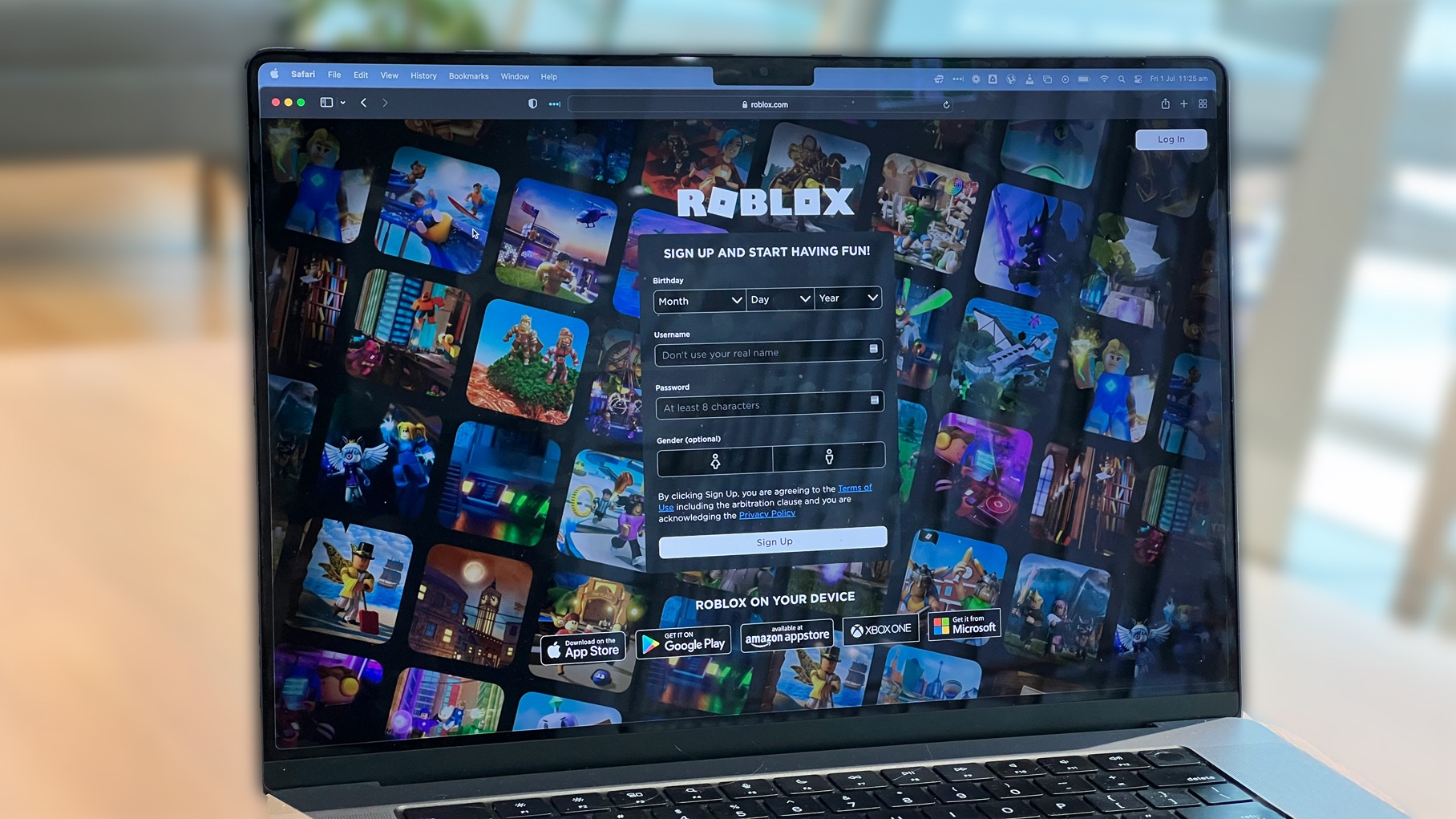
The massively popular online gaming platform Roblox, a digital playground for millions of children and teenagers, has become the epicenter of a fierce debate surrounding child safety, content moderation, and the controversial role of user-led “vigilante” groups. The company’s recent decision to ban these self-proclaimed watchdog groups, who actively sought to expose potential predators, has ignited a firestorm of criticism, legal challenges, and a broader conversation about who is ultimately responsible for policing virtual worlds.
The controversy reached a boiling point in August 2025 when Roblox permanently banned several high-profile users and groups known for their “anti-groomer” activities. These users would often pose as minors to identify and confront individuals they suspected of predatory behavior, sometimes recording and publicizing these interactions. One of the most prominent figures in this movement, a user known as “Schlep,” gained a significant following for his efforts, which he claims led to multiple arrests.
Roblox, however, has vehemently defended its decision, arguing that the methods employed by these vigilante groups, while potentially well-intentioned, created an unsafe and harmful environment. In a public statement, the company asserted that these groups often “impersonated minors, actively approached other users, then tried to lead them to other platforms to have sexually explicit conversations,” mimicking the very behavior of the predators they sought to catch. This, according to Roblox, violates their terms of service and undermines their established safety protocols.
The platform maintains that the only effective way to combat illicit activity is through its official reporting channels, which involve a combination of automated detection systems and human moderators who can then escalate serious threats to law enforcement. They argue that vigilante actions can interfere with official investigations and potentially expose more users to harm.
This stance has done little to quell the outrage from a significant portion of the Roblox community and beyond. Supporters of the banned users have launched online campaigns, including the trending hashtag “#FreeSchlep,” and have been backed by influential content creators who accuse Roblox of prioritizing its corporate image over the safety of its young user base. Critics argue that the existence of these vigilante groups was a direct result of Roblox’s perceived failure to adequately police its own platform.
The backlash has also manifested in the legal and political arenas. The state of Louisiana has filed a lawsuit against Roblox, alleging that the platform’s safety measures are insufficient and that it has not done enough to protect children from predators. Additionally, a U.S. Representative has initiated a petition urging the company to strengthen its child safety protocols.
For parents, this controversy has amplified existing concerns about the safety of online gaming platforms. While Roblox offers a range of parental controls and has published extensive community standards outlining prohibited content and behavior, the sheer scale of the platform—with millions of user-created games and interactions happening simultaneously—presents a monumental moderation challenge.
Child safety advocates advise parents to have open and ongoing conversations with their children about online safety, to utilize the platform’s reporting and blocking features, and to be aware of their children’s online activities and interactions.
The debate over vigilante justice on Roblox highlights a complex and evolving challenge for the digital age: how to balance user freedom and proactive community policing with the structured, and often slower, processes of corporate moderation and law enforcement. As Roblox navigates this public relations crisis and legal scrutiny, the outcome could have significant implications for how online platforms approach user-led safety initiatives and their fundamental responsibility to protect their youngest and most vulnerable users.
Leave a Reply